Exploring the World of Tabletop Games
The realm of tabletop games is a dynamic and immersive universe, fascinating players from different walks of life and uniting them through shared experiences. Whether it is the strategic intricacies of 8k8 chess-like games or the fantasy adventures encapsulated in role-playing games, the world of tabletop gaming offers something for everyone.
The Rise of Modern Tabletop Gaming
In recent years, the popularity of tabletop games has surged, moving beyond classic board games like Monopoly and Risk. This renaissance is driven by a growing interest in both new and experienced gamers seeking immersive and interactive experiences that digital games sometimes fail to provide. The marketplace is rapidly expanding with innovative designs, intricate storylines, and diverse themes, making tabletop gaming more accessible and varied than ever before.
The Appeal of Tabletop Gaming
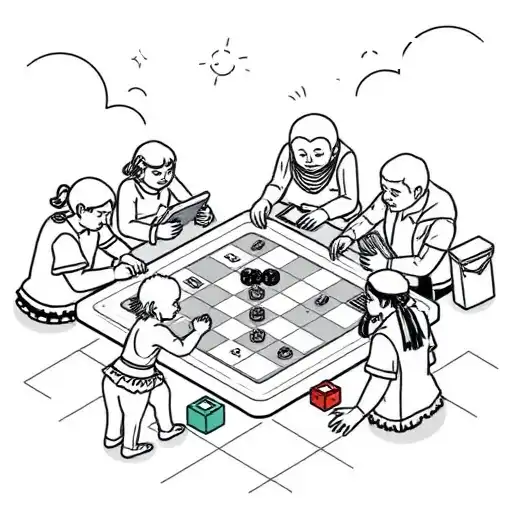
One of the most captivating aspects of tabletop games is their inherent social nature. Gathering friends or family around a table fosters a sense of community, allowing players to engage in face-to-face interaction in an increasingly digital world. Moreover, the tactile satisfaction of moving pieces, rolling dice, or drawing cards adds an element of engagement that virtual gaming cannot replicate.
Diverse Genres and Themes
The diversity of genres available in tabletop games is staggering, with options ranging from intense strategic challenges to cooperative story-driven experiences. For those interested in strategy, games like 8k8 offer a chess-like complexity, requiring players to think several moves ahead. On the other hand, narrative-focused games transport players to fantastical realms, enabling them to embark on heroic quests and create epic tales.
Role-Playing Games (RPGs)
Role-playing games, or RPGs, are a prominent genre within tabletop gaming that allows players to immerse themselves in a character and embark on adventures in imaginary worlds. Games like Dungeons & Dragons have become cultural phenomena, inspiring countless adaptations in other media. Players collaborate to overcome challenges, solve puzzles, and unravel stories, guided by a game master who orchestrates the unfolding narrative.
The Mechanics of Engagement
The mechanics of a tabletop game are vital in shaping the player's experience. From the straightforward roll-and-move mechanics of traditional games to the intricate engine-building of modern eurogames, mechanics dictate player decisions, strategies, and overall enjoyment. Contemporary designers often blend multiple mechanisms, such as deck-building, worker placement, and area control, to create multifaceted and engaging games.
Card Games: Strategic Simplicity
Card games occupy a special niche within the tabletop gaming universe, coveted for their compactness and strategic depth. Whether it's the classic trick-taking of bridge or the intense deck-building of modern games, card games challenge players to outwit their opponents within the constraints of their hands. These games often boil complex decisions down to choosing which card to play, a simplicity that belies the layers of strategy involved.
The Art and Aesthetics of Tabletop Gaming
The visual and tactile aspects of tabletop games contribute significantly to their appeal. High-quality artwork, detailed miniatures, and carefully crafted components enhance the thematic immersion and overall experience. Many players appreciate the artistry involved, often admiring the visual aesthetics as much as the strategic gameplay.
Board Game Cafes: Community Hubs
The rise of board game cafes exemplifies the growing popularity of tabletop games. These establishments offer welcoming spaces where individuals can explore a vast library of games, meet like-minded enthusiasts, and indulge in this hobby in a communal atmosphere. Board game cafes have become cultural landmarks in urban centers, promoting local gaming communities and nurturing a new generation of gamers.
The Influence of Technology on Tabletop Gaming
While tabletop gaming is inherently analog, technology has influenced its development and design. Digital platforms now allow players to play traditional tabletop games online with friends across the globe. Moreover, augmented reality and applications enhance gameplay by streamlining rules, tracking scores, and providing tutorials, making gaming more accessible to newcomers.
Kickstarter and the Crowdfunding Revolution
Crowdfunding platforms like Kickstarter have transformed the tabletop gaming industry. Independent creators can now bring innovative game ideas to life with the support of a dedicated community, bypassing traditional publishing barriers. This democratization has led to an explosion of creativity within the industry, giving rise to unique games that may not have otherwise reached production.
Conclusion
As tabletop gaming continues to evolve, it remains a cherished pastime for enthusiasts around the world. From strategic 8k8 challenges to imaginative role-playing adventures, these games offer endless opportunities for creativity, social interaction, and intellectual engagement. Whether you are a seasoned player or new to the scene, the world of tabletop games invites you to explore its rich tapestry and discover the endless possibilities within.